- Automate Construction Newsletter
- Posts
- July 16
July 16
Jarett Gross
July 16, 2024
Lot’s of links to share today because there is so much awesome stuff going on! Not only did I just release the video from the oldest permitted build in the world by the legendary Andrey Rudenko, I also released a podcast with him where he discusses how his early partner was kidnapped and disappeared, never to be seen again in a likely assassination. On top of that there are 2 research papers you should read linked below, 2 new pieces of humanoid robot news and one entertaining video to cleanse your brain at the end.
Here’s the tour of the famous Backyard Castle which just turned 10 years old.
For the epic story of the companies founding and disappearance of a key early partner, check out the full podcast for the never before heard story.
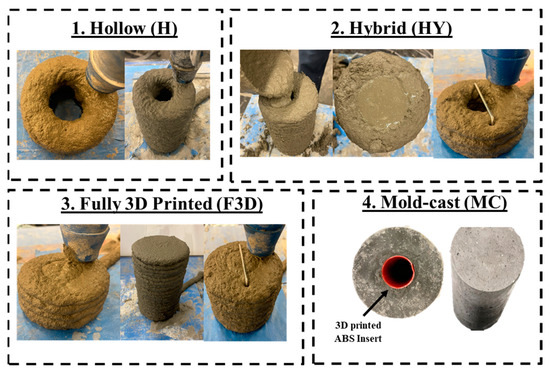
Here is a research paper which could lead to a structural recognition of 3D printed circular column compressive strength available for free right now to everyone, along with the next research paper I am linking below.
Lot’s of companies are interested in printing on space, regolith is the term for local soil outside earth, for example moon regolith or mars regolith. They are experimenting with printing these materials because it is so expensive to ship mass in space, there is a ‘massive’ benefit to local material procurement.

Here is an update on the $1,000 open source humanoid robot. Projects like this never receive enough attention!
RX1 Humanoid Robot
- Opensource 3D printable
- full human scale dual arm
- <$1,000
- checkout redrabbitrobotics.cc for the robotic arm assembly instructions— Lethic (@lethic1)
6:52 AM • Jul 16, 2024
IHMC and Boardwalk robotics are collaborating on a humanoid robot you can see achieving impressive teleoperation with the person in the back controlling the robot playing ping pong. This is how you train them up to full autonomy.
IHMC is working with Boardwalk Robotics to develop a next-gen humanoid robot.
Their VR teleoperation achieves impressive low latency and high transparency required to play ping-pong with the robot!
— The Humanoid Hub (@TheHumanoidHub)
7:49 PM • Jul 15, 2024
Last thing for today, you’ve heard of the trolley problem? I bet you’ve never seen this solution!